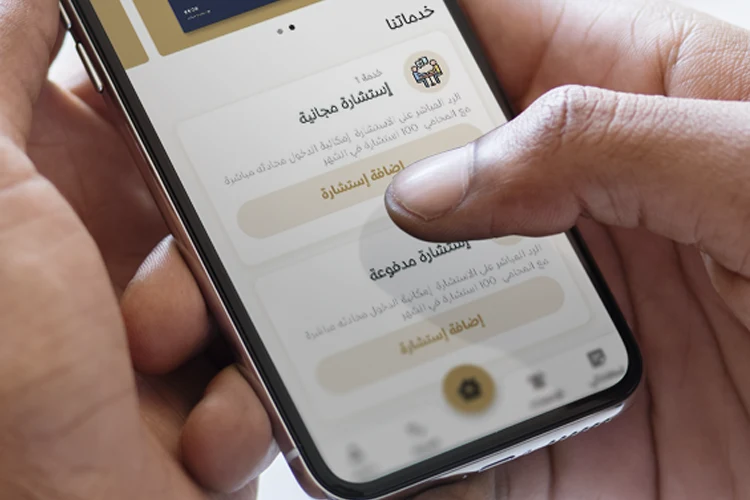

Determining whether you need a Saudi lawyer or one from your home country depends on the legal matter; Saudi lawyers handle local law while foreign lawyers support international or home country issues. For legal issues inside Saudi Arabia, retaining a Saudi-licensed lawyer is essential, especially for court representation and matters governed by local law such as commercial disputes, criminal defense, or family matters. Only Saudi lawyers can represent clients in Saudi courts, according to Article 18 of the Law of Advocacy. However, your home country lawyer might assist with cross-border, home jurisdiction, or embassy matters. Consult the Estisharti app for free legal advice tailored to your unique circumstances, ensuring compliance with Saudi law and leveraging practical solutions in the Kingdom.
- Saudi lawyers must be licensed locally to represent clients before Saudi courts (Article 18, Law of Advocacy).
- Legal proceedings in Saudi Arabia require a Saudi lawyer; foreign lawyers can advise on home law only.
- Foreign lawyers are not authorized to practice or plead in the Kingdom’s courts per official regulations.
- For cross-border or dual-jurisdiction issues, both a Saudi lawyer and a home country lawyer may be needed.
When are you required to hire a Saudi lawyer?
Representation before Saudi courts is strictly the domain of licensed Saudi lawyers. Article 18 of the Law of Advocacy requires legal practitioners to hold a Saudi license before pleading in courts or giving legal advice on Saudi law. According to feedback from lawyers on the Estisharti platform, trying to file criminal, civil, or business cases without local representation often results in case rejection. Lawyers from your home country may provide support in terms of translation or explaining home law implications but cannot sign, represent, or officially appear in Saudi jurisdictions. Take note: regulatory agencies like the Ministry of Justice and the Saudi Bar Association require all Saudi legal practitioners to be verified through official registration. For Saudi family law, labor disputes, or commercial litigation (see commercial lawyer Saudi Arabia for foreign business setup), a locally licensed lawyer is not optional.
Takeaway: You must hire a Saudi lawyer for any case or legal matter requiring court representation or compliance with Saudi regulations.
When is it useful to involve a lawyer from your home country?
Home country lawyers play a key role when legal issues span both Saudi and foreign jurisdictions, such as inheritance cases involving shares abroad, expatriate employment contracts, or enforcing foreign judgments. While only Saudi lawyers may appear before Saudi courts or advise on Saudi law, your home country's legal expert can explain how outcomes might affect your status or assets abroad. For consular, embassy, or dual-law situations—common in deportation scenarios for expats—collaborating between Saudi and home lawyers ensures your rights are protected in both places. It's common for international businesses or expats to engage advisors in both countries to navigate conflicting or overlapping laws. However, home country lawyers cannot submit filings, arguments, or attend hearings for you in Saudi Arabia.
Takeaway: A home country lawyer is helpful for cross-jurisdictional guidance but cannot officially represent you before Saudi courts or authorities.
Special cases: joint legal teams and compliance for expats
Certain situations benefit from the expertise of both Saudi and home country lawyers. For example, expatriates facing labor disputes may need a Saudi attorney to handle proceedings under Saudi Labor Law, while a home country lawyer explains implications for benefits or taxes abroad. The Najiz Platform allows for transparent court filings, but all legal representation there must be Saudi-licensed. We see at Estisharti an increase in demand for joint legal cooperation for multinational family, probate, or business cases. To find a qualified attorney, see the guide on how to find a licensed lawyer in Saudi Arabia as a foreigner, and review local regulations with the My.Gov.sa National Portal. Always confirm credentials through the Saudi Bar Association, as unauthorized practice is penalized under Article 5 of the Law of Advocacy.
Takeaway: Joint teams help in cross-border cases, but Saudi legal processes demand local legal representation verified by the Saudi Bar Association.
Common pitfalls when choosing your legal representative in Saudi Arabia
One of the main mistakes we identify in Estisharti consultations is reliance on unlicensed advisors for Saudi matters. Only lawyers with active Saudi Bar registration are entitled to appear or offer legal advice on Saudi regulations. Foreign lawyers or embassy staff can provide valuable support but not represent you in local civil, family, or criminal cases—see guidance from the Bureau of Experts at the Council of Ministers. Another trap is expecting your home country lawyer to resolve enforcement or litigation issues inside Saudi Arabia; this usually leads to procedural delays and failed claims. For criminal defense involving expats, the best approach is retaining a criminal defense lawyer for expats in Saudi Arabia. Double-check all representatives via the official government portals before proceeding.
Takeaway: You risk case delays or dismissals if you use any representative who is not a Saudi-licensed lawyer for Saudi legal matters.
To act before Saudi courts or provide legal advice on Saudi law, only lawyers licensed in Saudi Arabia are permitted; foreign lawyers can support with home law and international elements but cannot represent clients within the Kingdom.
- Identify if your legal issue falls under Saudi or foreign law.
- Check if court appearance or official representation is required.
- Verify Saudi lawyer credentials via the Saudi Bar Association.
- Involve your home country lawyer for cross-border elements if necessary.
- Consult the Estisharti app for tailored legal advice.
This article provides general legal information and does not substitute for personalized advice from a licensed Saudi lawyer. Always consult qualified legal professionals for your specific situation.
Frequently Asked Questions
Can a foreign lawyer represent me in Saudi courts?
No, only a Saudi-licensed lawyer can represent clients before Saudi courts, as required by Article 18 of the Law of Advocacy. Foreign lawyers may assist with home law but cannot argue, sign, or file cases in Saudi legal forums. Verify local lawyers through the Saudi Bar Association.
When should I hire both a Saudi and a foreign lawyer?
If your case involves both Saudi law and your home country’s law—such as international business, inheritance, or expat family disputes—it’s often best to engage lawyers from both jurisdictions. This ensures legal coverage and compliance in each country. The Najiz Platform supports filings, but only Saudi lawyers may submit or plead.
How do I check if my Saudi lawyer is officially licensed?
You should confirm your lawyer's authentication with the Saudi Bar Association or via the Ministry of Justice database. For further guidance, use the Estisharti app for a free lawyer credential check and tailored recommendations.
What happens if I use an unlicensed representative in Saudi legal matters?
Your case may be dismissed or delayed, and you may face penalties if your representative is not authorized under local law. All formal representation must comply with Saudi regulations—see the Bureau of Experts for the legal text. Consult with a licensed Saudi lawyer via Estisharti for secure proceedings.