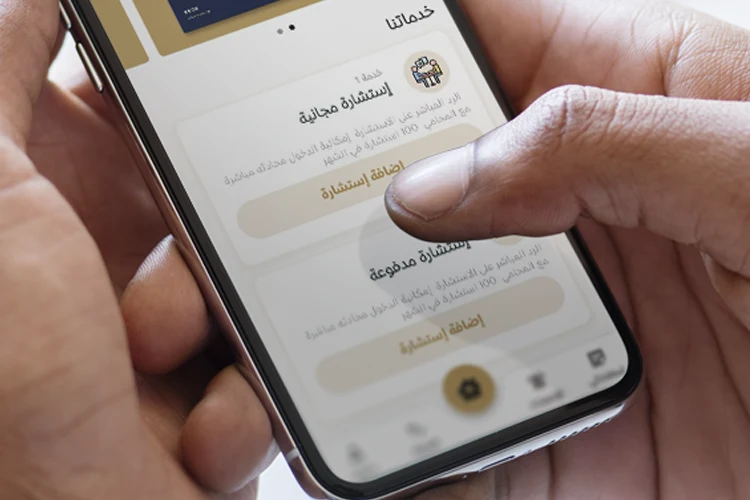

If your employer in Saudi Arabia hasn't paid your salary, you can file a complaint with the Ministry of Human Resources or use legal channels to recover your unpaid wages promptly. Saudi labor law strictly protects employees’ rights to timely remuneration under Article 90 and Article 94 of the Saudi Labor Law. In practice, the process starts by contacting your employer, then escalating to authorities if necessary. For detailed support and guidance tailored to the local legal framework, you can use the Estisharti app to consult a licensed Saudi lawyer specializing in labor disputes.
- Employees are entitled to monthly salary payments under Articles 90 and 94 of the Saudi Labor Law.
- If unpaid, raise a complaint first with your employer, then the Ministry of Human Resources via the Musaned or Qiwa systems.
- The Najiz Platform can be used for legal escalation and filing a labor claim electronically.
- Document all communication and obtain salary evidence—this greatly aids your case.
- Legal action can secure owed salaries, end-of-service, and compensation for delays.
Under What Legal Grounds Can You Claim Unpaid Salary in Saudi Arabia?
Saudi Labor Law offers clear protection for employee wages. Article 90 requires employers to pay salaries monthly and on time, while Article 94 obliges full payment of all outstanding entitlements when a work contract ends. When salary payments are delayed or withheld, employees are legally empowered to initiate claims through the Ministry of Human Resources. We often advise clients at Estisharti to start by requesting payment in writing and keeping all relevant documents. These laws apply to Saudis and foreign workers alike. If you work as a teacher or in another sector, your rights are equally assured—see our guide for teachers for sector-specific advice. If the employer ignores your request, proceed to file an official complaint as described below, referencing your supporting evidence and the applicable regulations. Always verify any recent amendments through the Bureau of Experts to ensure accuracy.
Takeaway: Articles 90 and 94 of Saudi Labor Law grant clear rights to claim any unpaid salary, regardless of your sector or citizenship.
Step-by-Step: Filing a Salary Complaint with the Ministry of Human Resources
If your employer does not pay your salary after your written demand, the next step is submitting a formal complaint. Use the Ministry of Human Resources’ Qiwa or Musaned portals, supplying your contract, salary slips, and relevant emails. Processing times vary—generally 1-2 weeks for initial reconciliation. If unresolved, labor courts become involved, and you can file electronically via the Najiz Platform. This digital filing system allows workers to present evidence, track their case, and communicate with court officials. From our experience at Estisharti, the most common delay is incomplete documentation—ensure you provide contracts, bank statements, and correspondence. Follow the instructions and deadlines sent by the Ministry to protect your rights at every step.
Takeaway: A formal complaint via Qiwa or Najiz, backed by strong documentation, is the fastest legal route to recover unpaid salary.
What Evidence Will Strengthen Your Unpaid Salary Claim?
The success of your salary claim largely depends on documentation. Essential evidence includes your original and renewed labor contract, monthly bank statements, payslips, and written requests for payment. Forward all correspondence with your employer (including WhatsApp or email exchanges) to the labor office or attach them to your complaint via the My.Gov.sa National Portal. Testimony from colleagues, if available, can be valuable. We’ve helped many clients on the Estisharti legal consultation platform who had claims fast-tracked because they presented full, organized evidence at the start. According to recent practices from the Ministry of Justice, incomplete files can significantly delay or even jeopardize a successful claim.
Takeaway: Thorough documentation is the key to an efficient and favorable salary recovery process in Saudi labor courts.
How Can a Lawyer or Legal Consultation Platform Help You Recover Unpaid Salary?
Many employers settle disputes once a lawyer is involved or a formal complaint is filed. Consulting a legal expert via the Estisharti app or similar platforms ensures correct documentation, error-free procedure, and a clear claim calculation. Lawyers can represent you in settlement talks and, if necessary, file your case on the Najiz Platform. For those evaluating costs, compare lawyer fees before hiring. Free legal clinics and bar associations like the Saudi Bar Association may offer extra support. Our data shows that claims guided by licensed professionals progress significantly faster and often secure full settlements, limiting risk for the employee.
Takeaway: Getting professional legal guidance greatly increases your chances of recovering unpaid wages efficiently and lawfully.
Common Mistakes Employees Make When Claiming Unpaid Salary—and How to Avoid Them
Frequent errors include missing deadlines, lack of written proof, and unclear calculation of amounts owed. For example, not attaching bank statements or signed contracts can result in rejected claims. Ignoring official communication from the Ministry or court can also result in case closure. To avoid these pitfalls, track every deadline (especially after submitting via Najiz), use written communication only, and double-check your claim amount per contract. If unsure, a free legal consultation can clarify the process. We notice at Estisharti that employees who prepare early and use official platforms resolve their cases much faster.
Takeaway: Mistakes like missed deadlines or weak documentation can cost your claim—prepare thoroughly and respond promptly for best results.
Recovering unpaid salary in Saudi Arabia is the legal process by which employees claim withheld or late wage payments from their employer, typically through the Ministry of Human Resources or the labor courts, as regulated under Articles 90 and 94 of the Saudi Labor Law.
- Demand your unpaid salary in writing from your employer.
- Gather all evidence: labor contract, payslips, bank statements, and correspondence.
- File a complaint via the Ministry of Human Resources (Qiwa or Musaned portal).
- If unresolved, submit your case through the Najiz Platform.
- Attend dispute resolution or hearings as scheduled.
- Follow up until you receive your judgment and salary payment.
This information is general guidance and does not substitute for consulting a licensed Saudi lawyer. Laws and regulations may update frequently; always verify through official sources and obtain personalized legal advice for your specific circumstances.
Conclusion
The Estisharti app offers free legal consultations from licensed lawyers across the Kingdom — start your consultation today.
Frequently Asked Questions
How long does it take to recover unpaid salary in Saudi Arabia?
Most salary claim cases are resolved within one to three months, depending on documentation and response from the employer. If you provide all required evidence, the Najiz Platform can speed up proceedings, but complex disputes may take longer.
Can expats file for unpaid salary in Saudi Arabia?
Yes, expatriate employees are fully entitled to claim unpaid salary, with equal rights under Saudi Labor Law. You can use the Ministry of Human Resources’ online services or consult a licensed Saudi lawyer via Estisharti for support in filing your case.
What documents do I need to file a salary claim against my employer?
Key documents include your labor contract, payslips or bank transfer records, any employment correspondence, and your complaint letter. Uploading complete documents to the My.Gov.sa Portal increases your claim’s credibility.
What if my employer threatens to fire me for filing a claim?
Retaliatory dismissal due to a claim is prohibited per Saudi Labor Law. You can report such actions to the Ministry of Human Resources and seek further protection with a free legal consultation if you feel at risk.
Do I need a lawyer to recover my unpaid salary?
While legal representation is not mandatory, it can make your case more effective. Platforms like the Estisharti app offer specialist legal guidance and improve your chances of a speedy resolution.
Read Also
- Free Legal Help for Teachers in Saudi Arabia: Know Your Rights
- How Much Does a Lawyer Cost in Saudi Arabia? Free vs. Paid Legal Advice
- How to Find a Free Lawyer in Saudi Arabia: A Step-by-Step Guide
- Free Legal Consultation in Saudi Arabia: Your Complete 2026 Guide
- Online Legal Consultation vs. Traditional Law Firms in Saudi Arabia: Which Should You Choose?